Selling a historic-style home in Morristown can feel a little different from listing a newer property. Your home’s character may be one of its biggest selling points, but buyers also tend to look more closely at condition, maintenance history, and past updates. If you want to stand out for the right reasons, it helps to prepare early, document carefully, and market the home with both charm and credibility. Let’s dive in.
Why Morristown’s history matters
Morristown has a well-known historic identity, from the Green to its connection with the Revolutionary War era. The town also notes that its historic district includes many Victorian-era homes, which helps explain why older homes with architectural character remain an important part of the local housing story.
For sellers, that history can be a real advantage. Buyers are often drawn to homes with original details, established streetscapes, and a sense of place. At the same time, older homes can bring extra questions about repairs, permits, and exterior changes.
Morristown also has a Historic Preservation Commission and published Historic Properties Design Guidelines. Those guidelines are meant to help preserve and improve historic properties, so if your home falls within a locally reviewed area or involves certain exterior work, the town’s review process may matter.
Start with pre-listing paperwork
Before your home goes on the market, it is smart to gather records and confirm that key items are in order. In Morristown, a residential property must have a Certificate of Habitability before ownership changes, and the town states that open building permits must be closed before sale.
The town also says the sales process includes a zoning review. Inspectors check for smoke detectors, carbon monoxide detectors, and fire extinguishers required by state law, so those details should be part of your prep list long before closing.
If your home was built before January 1, 1977, Morristown notes that 10-year sealed-battery smoke alarms are required under the state rule referenced on the municipal site. For many historic-style homes, this is a simple but important step that supports a smoother transaction.
Documents to gather early
A well-organized seller file can help you answer buyer questions quickly and reduce surprises later. Useful records may include:
- Permit records for additions, renovations, or structural work
- Roof, masonry, drainage, HVAC, pest, and moisture-related receipts
- Before-and-after photos of completed work
- Any lead-related or mold-related reports
- Records showing closed permits, if applicable
This type of file supports the same topics that often come up during Morristown’s sales process and New Jersey disclosure review.
Be ready for disclosure questions
New Jersey’s seller disclosure form asks about several issues that often matter in older homes. These include the age of the roof, roof leaks, basement or crawl-space moisture, mold, foundation cracks, past fire, wind, or flood damage, and whether additions or structural changes had proper permits and approvals.
The rule also says you must disclose known material defects even if they do not appear as a printed question on the form. That makes honesty and preparation especially important when you are listing a home with age, character, and a longer maintenance history.
If your home was built before 1978, sellers must also disclose any known lead-based paint or lead-based paint hazards and provide the required lead information before sale. For many Morristown sellers, this is simply part of responsible pre-listing preparation.
Questions buyers may ask about older homes
Buyers often focus on a few practical areas when they tour a historic-style home. Expect questions like:
- Were all additions and major updates properly permitted?
- Has the roof leaked, and if so, when was it repaired?
- Has there been basement moisture, dampness, or mold?
- Are there any known foundation cracks or movement?
- Has the property had past flood, fire, or wind damage?
When you can answer clearly and back up your answers with records, you build trust.
Focus on moisture first
In many older homes, moisture is the issue behind several other problems. New Jersey’s Department of Health notes that mold problems usually happen when there is excess water and recommends finding the water source first.
That is why a pre-listing walkthrough should pay close attention to roof drainage, basement dampness, flashing, gutters, and any signs of leaks or staining. Even if the home shows beautifully, buyers may hesitate if they see evidence of unresolved water issues.
The state disclosure form also specifically asks about water leakage, dampness, mold, and prior attempts to control moisture. If you address those concerns before listing, you put yourself in a stronger position during inspections and negotiations.
Watch the roof, gutters, and flashing
In a historic-style home, the roof is more than a functional system. It is often a key part of the home’s look and architectural identity. That means roof condition can affect both curb appeal and buyer confidence.
Guidance cited in the research recommends cleaning gutters and downspouts, replacing deteriorated flashing, and protecting a leaking roof quickly so damage does not spread to wood, masonry, plaster, paint, or structural members. Morristown’s design guidance also stresses preserving roof shape and dealing carefully with flashing-related leaks.
For sellers, the takeaway is simple: if your roof or drainage system needs attention, handle it early or be prepared to explain it clearly. Small maintenance items can become larger negotiation points when buyers worry about hidden water damage.
Preserve windows, doors, and porches
Original windows, doors, and porches often help define a historic-style home’s appeal. They can be some of the features buyers remember most after a showing.
Research cited here notes that repair should be considered before replacement for historic windows. Morristown’s guidelines also say window openings and sash proportions should not be altered, replacement sash should use real muntins, and porches and balconies should be retained rather than enclosed with opaque materials.
That does not mean every old feature must be perfect. It means buyers may respond better when they see that updates respected the home’s original look instead of removing it.
Be careful with masonry and siding
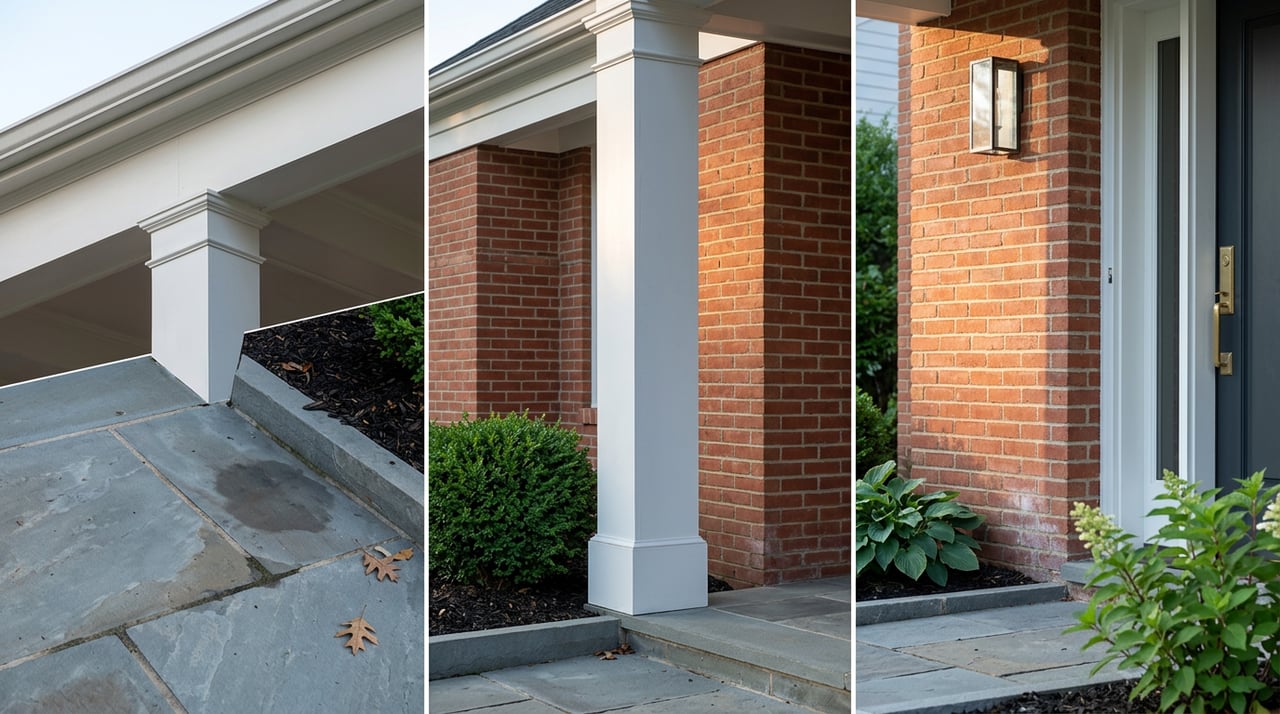
Older masonry needs a different approach than newer construction. Morristown’s design guide states that many pre-World War II buildings used softer brick and mortar, and that hard Portland cement mortar can damage older brick.
The same guide says repointing should match the original mortar’s composition, color, texture, and hardness. It also warns that harsh cleaning methods and impermeable coatings can trap moisture and make deterioration worse.
Wood siding and trim deserve the same level of care. Morristown’s guide says wood siding is a key part of a building’s character, can last many years with proper painting and upkeep, and may be harmed when covered with vinyl or aluminum because those materials can trap moisture and flatten architectural detail.
If you have completed exterior work, buyers may appreciate knowing it was done with the home’s age and materials in mind. That can strengthen your listing story.
Market charm with proof
The best marketing for a historic-style home does not rely on charm alone. It pairs period details with visible maintenance and clear documentation.
A strong listing story often shows that original architectural details are still present and that the home has been cared for in a way that respects its character. Morristown’s preservation guidance emphasizes preserving distinctive materials, repairing deteriorated features where possible, and keeping new work compatible in size, scale, proportion, and massing.
In practical terms, that means your listing should clearly communicate:
- Which original or period-style details remain
- What has been repaired or updated
- Which major systems or exterior elements have been maintained
- What records are available for buyers to review
- Any items that may need future attention
This approach helps you avoid overpromising while still showing buyers why the home is special.
Check future-use assumptions
Some sellers assume buyers can make any future change they want to an older home. In Morristown, that may not always be the case.
If a property is in a locally reviewed historic area, or if a future project could involve demolition or a major exterior change, it is wise to check the town process before making broad claims. Morristown code refers demolition applications to the Historic Preservation Commission, and the commission can review whether an older or historically significant structure should be considered preferably preserved.
That matters because confident, accurate marketing builds trust. If you are unsure how a feature or future project may be reviewed, it is better to stay factual.
How a local listing strategy helps
Historic-style homes often need more than standard listing prep. They usually benefit from thoughtful presentation, careful pricing, and a plan for answering condition questions before they become objections.
That is where local experience can make a difference. In Morristown and greater Morris County, sellers often need help coordinating pre-listing improvements, professional photography, and the right balance between showcasing character and staying transparent about condition.
With a hands-on strategy, you can present the home at its best, prepare for buyer due diligence, and move toward closing with fewer surprises. If you are thinking about selling a historic-style home in Morristown, Jill Southren can help you evaluate your home, prepare it for market, and build a listing plan that highlights its value with confidence.
FAQs
What should sellers of historic-style homes in Morristown do before listing?
- Start by gathering permits, repair receipts, maintenance records, and any reports related to roof, moisture, masonry, lead, or mold, and confirm that any open permits are closed before sale.
What does Morristown require before a home sale closes?
- Morristown requires a Certificate of Habitability before residential ownership changes, and the town says the process includes zoning review plus safety checks for required smoke detectors, carbon monoxide detectors, and fire extinguishers.
What disclosure issues matter most for older homes in New Jersey?
- Sellers should be prepared to disclose known material defects and answer questions about roof age and leaks, basement or crawl-space moisture, mold, foundation cracks, past damage, and whether additions or structural changes had proper permits and approvals.
What exterior features matter most in a Morristown historic-style home listing?
- Rooflines, flashing, gutters, windows, doors, porches, masonry, wood siding, and trim all matter because they affect both the home’s character and a buyer’s sense of how well the property has been maintained.
What should sellers know about lead paint in older Morristown homes?
- If the home was built before 1978, sellers must disclose any known lead-based paint or lead-based paint hazards and provide the required lead information before the sale.
Why is moisture such an important issue in older Morristown homes?
- Moisture can lead to mold, damage masonry and wood, and raise inspection concerns, so sellers should identify and address water sources such as roof leaks, flashing problems, drainage issues, or basement dampness early in the listing process.