If you love the idea of weekends by the water but still need a practical Morris County location, Denville stands out for a reason. You are not just buying a home here. You are often buying into a lake-centered routine, a long-established neighborhood pattern, and a township that also works well for commuting and everyday errands. This guide will help you understand what lake-centric living in Denville really looks like, from community access and recreation to home features and due diligence. Let’s dive in.
Why Denville Appeals to Lake-Oriented Buyers
Denville offers a rare mix of outdoor lifestyle and daily convenience. The township covers 12.57 square miles, including 0.75 square miles of water, and sits in the center of Morris County. That setting helps explain why lake living feels woven into everyday life here rather than tucked away as a resort-only experience.
For many buyers, the appeal goes beyond the shoreline. Denville also offers rail access through Denville Station on the Montclair-Boonton and Morris & Essex lines, with service connecting toward Hoboken, Newark Broad Street, and New York service. Census QuickFacts also reports a mean travel time to work of 29.5 minutes, which supports Denville’s reputation as a commuter-friendly township.
The numbers also point to a community with a strong ownership base. Census QuickFacts reports an 87.7% owner-occupied housing rate, along with a median owner-occupied home value of $564,600. That can matter if you are looking for a place where many residents have long-term ties to the area.
How Denville Lake Living Works
One of the biggest things to understand is that Denville does not operate as a one-size-fits-all public lake market. Township planning materials identify 11 named bodies of water, with Cedar Lake, Indian Lake, Rock Ridge, and Lake Arrowhead recognized as the four major residential lake communities. Estling Lake is identified as a private summer community, while Cooks Pond is a recreational lake available for public use by membership.
That means lake access is often tied to a specific neighborhood, club, or membership structure. In practical terms, you should not assume that buying near a lake automatically gives you the same access, beach use, or amenity rights as another property across town. In Denville, lake living is often neighborhood-specific.
This setup can be a plus if you want a stronger sense of local identity and organized amenities. It also means buyers and sellers need to pay attention to the details that shape day-to-day use. Membership status, dues, guest policies, beach access, and activity options can all vary.
Four Lake Communities to Know
Cedar Lake
Cedar Lake centers around the Cedar Lake Community Club, formed in 1939 as a social organization for Cedar Lake property owners. According to the club, members may have access to the clubhouse, exclusive events, priority rentals, community engagement opportunities, and Hub Lakes sports. The club also highlights activities such as fishing, sailing, and clubhouse gatherings.
The amenity mix adds to the appeal for homeowners who want more than a view. Cedar Lake also notes facilities including tennis, volleyball, basketball, and horseshoe pits. If you are comparing neighborhoods, this is a good example of how lake living in Denville can include both waterfront access and organized recreation.
Indian Lake
Indian Lake has deep roots in Denville and a long history of evolving from a summer community into a year-round residential area. Its club history notes that the community was established in 1924 and gradually transitioned into full-time living over time. That history helps explain why buyers may find a mature neighborhood character rather than a newer planned development feel.
Indian Lake also reflects the seasonal rhythm that comes with lake life. The club’s public information notes summer swimming lessons, multiple clubs and events, and seasonal beach hours. For homeowners, that can translate into an active summer routine balanced by a more residential pace in the cooler months.
Rock Ridge
Rock Ridge Community Club says it was established in 1907, making it one of the older lake-centered communities in the township. The club highlights beach living, year-round activities, and member events. It also promotes swimming, running, cycling, kayaking, paddle boarding, fishing, basketball, tennis, and a summer organized sports league.
For buyers who want an active community calendar, Rock Ridge is one of the clearest examples in Denville. The structure of club-managed events and shared amenities can shape the neighborhood experience in a meaningful way. It is not just about owning near the water. It is about how the community uses that setting throughout the year.
Lake Arrowhead
Lake Arrowhead began in 1925 as a summer lake development and was officially incorporated in 1927. Its history mirrors a pattern seen in several Denville lake areas, where seasonal origins later gave way to more year-round homeownership. Today, the club describes the neighborhood as being in Denville Township, bordering Mountain Lakes, and within a short walk of downtown Denville.
That downtown proximity is a major lifestyle advantage for some buyers. You can have a lake-centered setting while still being close to boutiques, eateries, and NJ Transit access. Lake Arrowhead also has structured summer beach rules, including lifeguard-controlled use and swim-test requirements, which reinforces how organized and membership-based lake access can be.
What Daily Life May Feel Like
Lake-centric living in Denville tends to be active, seasonal, and community-oriented. In the summer, many households focus on swimming, boating, beach time, and club programming. Indian Lake posts beach hours and swim and dive clinics, Lake Arrowhead uses daily summer beach hours and lifeguard oversight, and Rock Ridge highlights sports and member events.
The off-season does not mean the lifestyle disappears. It simply shifts. Rock Ridge emphasizes year-round activities, while other communities continue to center around neighborhood ties, events, and quieter enjoyment of the setting.
It also helps to think beyond the lakes themselves. Denville’s broader outdoor setting adds to the appeal, especially for buyers who want multiple ways to enjoy the township year-round.
Beyond the Lakes: More Outdoor Access
Tourne County Park adds another dimension to daily life in Denville. The park offers more than 550 acres, about 12 miles of trails, access to the Rockaway River for canoeing, kayaking, and fishing, and winter activities such as snowshoeing, cross-country skiing, and sledding. That gives residents a broader recreation base beyond their immediate lake neighborhood.
Morris County’s Den Brook Trail also supports that outdoor lifestyle. The one-mile rustic trail links Openaki Road to a township park and playground. For homeowners, that reinforces the idea that Denville’s appeal is not limited to waterfront lots or summer beach days.
What to Expect From the Housing Stock
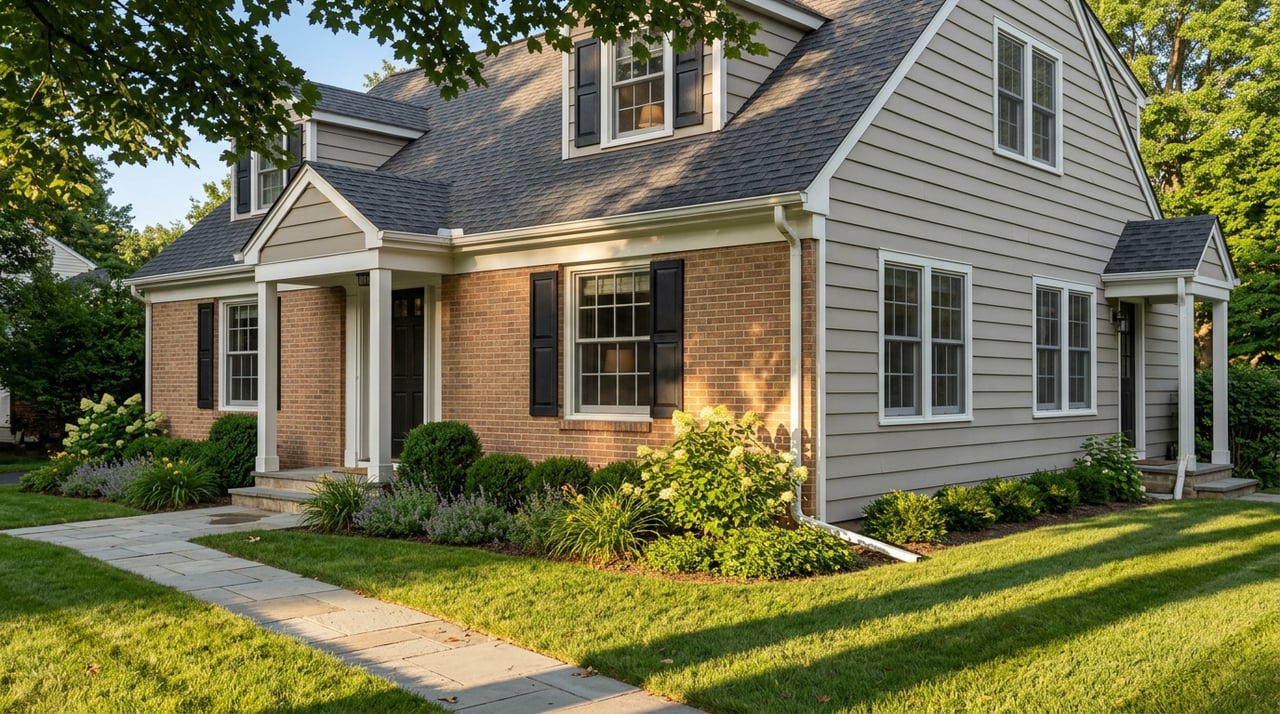
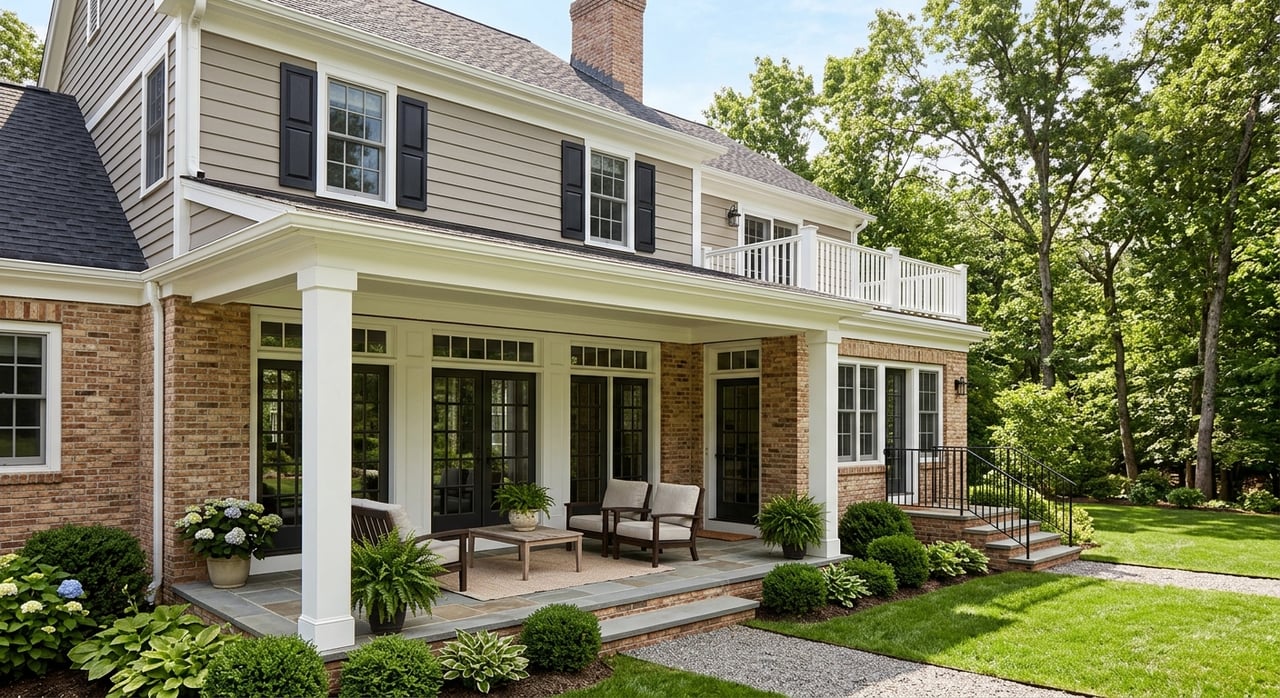
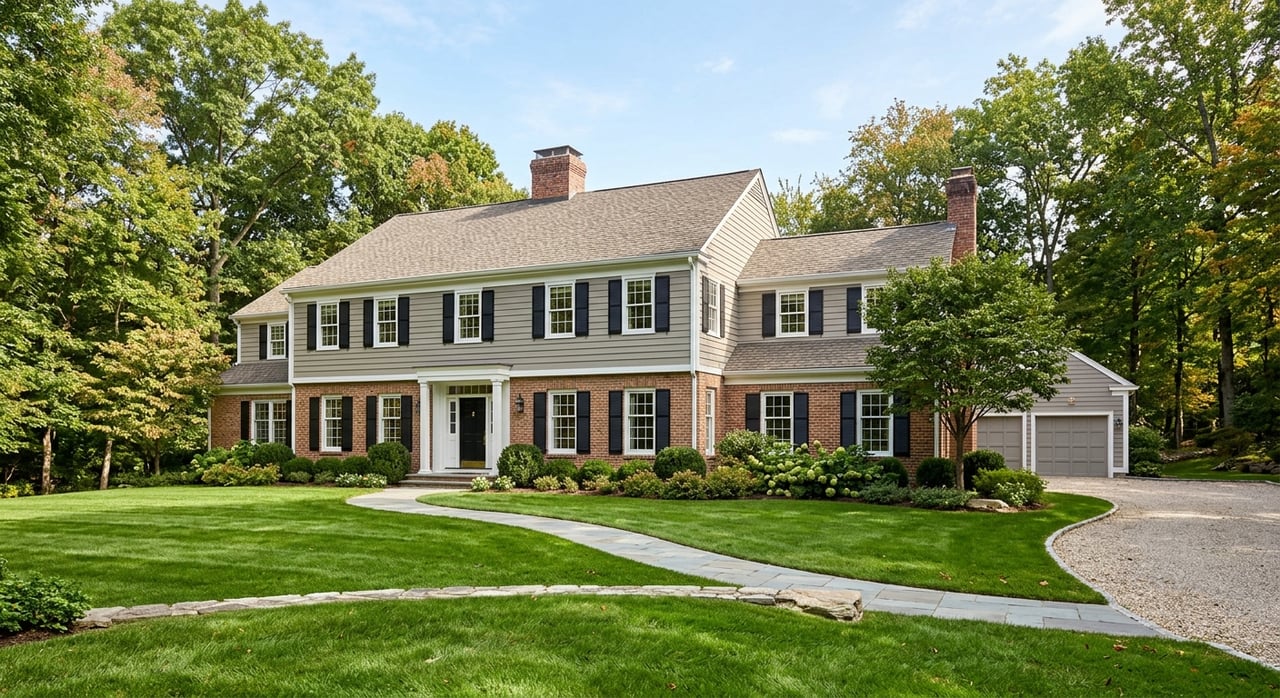
Denville’s lake neighborhoods are generally mature residential enclaves, not new-build lake developments. The research points to long-established communities with older neighborhood patterns, club-centered amenities, and a housing base shaped over decades. Indian Lake and Lake Arrowhead both evolved from summer communities into year-round residential areas, and Cedar Lake’s club history dates back to 1939.
Township planning materials also note that there are about 6,430 households in Denville and that the majority are single-family homes. If you are shopping in these neighborhoods, that often means looking at established homes with individual character, varied update levels, and property-specific features rather than uniform construction.
For sellers, that can be important too. In mature lake communities, presentation, pricing, and property-specific advantages often matter a great deal because buyers are comparing not just square footage, but also location within the neighborhood, access details, and overall condition.
Utility Questions Matter Here
Lake buyers should look closely at infrastructure, not just the view. According to the township stormwater plan, most homes receive public water and sewer, while the remainder rely on private wells and septic systems. That makes utility type an important part of the conversation when you are evaluating a property.
If a home uses a well or septic system, you may want to ask about maintenance history, inspection needs, and ongoing responsibilities early in the process. Even in the same township, utility setups can differ from one property to another. Knowing those details can help you budget more clearly and avoid surprises.
Why Access Rules Deserve a Closer Look
In Denville, lake access is often a property-specific question. Many amenities are association-based, so buyers should verify whether a property includes membership rights, what dues may apply, and how beach or clubhouse access works. You should also ask about guest limits, dock policies, rentals, and any seasonal use rules that affect how you plan to enjoy the lake.
This is especially important because different communities organize amenities in different ways. Cedar Lake offers member events and clubhouse access, Indian Lake posts seasonal beach hours and club communications, Rock Ridge runs membership-managed events and sports, and Lake Arrowhead has beach rules tied to membership verification and lifeguard oversight. Those details can shape your experience as much as the house itself.
For sellers, clear documentation can help your home stand out. If your property includes club access, beach privileges, or other association benefits, having that information organized can make it easier for buyers to understand the full value of the home.
Flood and Drainage Due Diligence
A realistic look at lake living also includes water management concerns. The township’s stormwater plan documents historical flooding near Den Brook by Lake Estling and Indian Lake, as well as near the Rockaway River and the downtown Denville area. That does not define every property, but it does mean buyers should take flood-zone review seriously.
Before you move forward on a lake-oriented purchase, it is wise to ask about flood history, drainage patterns, and any insurance implications tied to the location. A beautiful setting and strong lifestyle appeal should always be balanced with practical due diligence. That kind of review helps you make a more confident decision.
What Sellers Should Keep in Mind
If you own a home in one of Denville’s lake areas, your buyer pool may be drawn to a very specific lifestyle. Many people are looking for more than a house. They are looking for beach access, club activities, neighborhood identity, and outdoor convenience paired with commuter access.
That means your marketing should speak clearly to what is verified and meaningful about the property. If the home has documented membership access, proximity to downtown, a practical commute setup, or established utility information, those details matter. In a mature housing market, strong presentation and accurate neighborhood context can help buyers see the full picture.
With decades of local market experience in Morris County, Jill Southren understands how to position homes around the lifestyle buyers are actually seeking. If you are planning a move in Denville or want expert guidance on a lake-area purchase or sale, Jill Southren can help you get your free home valuation or schedule a personal consultation.
FAQs
What makes Denville different from other Morris County towns for lake living?
- Denville combines multiple residential lake communities, club-based amenities, outdoor recreation, and commuter rail access within one township, creating a lifestyle that blends waterfront living with everyday convenience.
What should buyers ask about lake access in Denville?
- Buyers should ask whether the property includes club or membership rights, what dues apply, how beach access works, and whether there are rules about guests, docks, rentals, or seasonal use.
What types of homes are common in Denville lake neighborhoods?
- Denville’s lake neighborhoods are generally mature residential areas with mostly single-family homes, older neighborhood patterns, and a mix of properties that may have changed over time from seasonal to year-round use.
What utility issues should buyers review in Denville?
- Buyers should confirm whether a home uses public water and sewer or relies on a private well and septic system, because that affects maintenance responsibilities and inspection needs.
What flood questions matter when buying near a lake in Denville?
- Buyers should review flood-zone status, ask about drainage and any known flood history, and understand possible insurance implications before moving forward on a purchase.
What lake communities are most often discussed in Denville real estate?
- The four major residential lake communities identified in township planning materials are Cedar Lake, Indian Lake, Rock Ridge, and Lake Arrowhead.